The Subversive Epic: Myth, Betrayal, and the Real History Behind Meghnad Badh Kavya
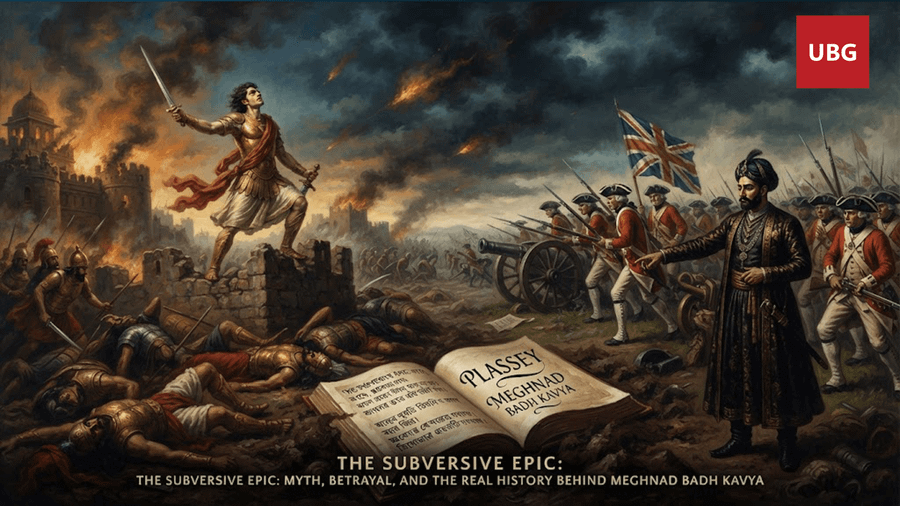
The Titan of Bengal and the Universal Epic Canon
Michael Madhusudan Dutt stands shoulder-to-shoulder with Homer and Ferdowsi not merely as a master of verse, but as an architect of civilizational memory. While the colonial machinery of the British Empire and its native collaborators sought to reduce Bengali literature to pious, predictable tracts, Michael reached back into the ancient mythic reservoir to forge something dangerous and monumental. His masterpiece, the Meghnad Badh Kavya, bypassed the sanitized moralizing of the establishment to engage in a profound wrestling match with cosmic and political power. Like the ancient bards who recorded the fall of empires and the clash of primordial forces, Michael used the weight of epic poetry to interrogate the very nature of heroism, justice, and betrayal.
The Anti-Thetic Subversion of the Ramayana
In the traditional architecture of the Ramayana, Ravana and his son Meghnad (Indrajit) are cast as the monstrous antagonists, while Rama represents the flawless, divinely sanctioned victor. Michael shattered this orthodox narrative by inverting the moral polarity. In his hands, the doomed defenders of Lanka are portrayed with tragic, human grandeur—proud, passionate, and fiercely devoted to their homeland—while the conquering forces of Rama are reframed through a cynical, cold, and calculated lens. This was not a casual literary twist; it was a radical anti-thesis. By stripping away the divine right of the victors, Michael exposed how power writes its own history, turning the traditional heroes into cold conquerors and elevating the defeated rebels into tragic titans of resistance.
The Allegory of Plassey and Imperial Betrayal
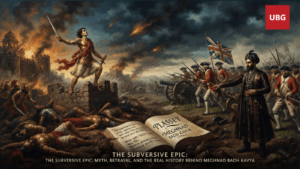
Beneath the mythic sand and classical armor of Lanka lies the bleeding reality of eighteenth-century Bengal. The tragic fall of Meghnad and the doom of his kingdom are not just episodes from ancient lore; they are a devastating, transparent allegory for the Battle of Plassey and the corporate colonization of Bengal. In this structural parallel, the young, impassioned Nawab Siraj-ud-Daulah stands as the doomed Ravana, defending his soil against an external, ledger-driven invasion. The true tragedy is mirrored in the fate of brave commanders like Mir Madan, who fell as the heroic martyr fighting on the front lines, only to be neutralized by treachery. The most damning stroke of the allegory belongs to Mir Jafar stepping directly into the role of Vibhishana, the insider who traded his own blood and sovereignty for foreign favor, opening the gates of the citadel to the British East India Company. Michael used the ancient battlefield as a mirror for colonial trauma, capturing the suffocating despair of watching an entire civilization dismantled from within by opportunistic collaborators and foreign balance sheets.
Exiled from the Empire of Conformity
This unsparing critique is precisely why Michael could never find peace within the British imperial apparatus. A mind that could deconstruct the mechanics of conquest and give voice to the noble resistance of the defeated was too radioactive for a colonial system that demanded docile, Anglicized subjects. While the empire rewarded low-tier compliance and administrative clerks, it crushed poets who dared to look deeply into the machinery of power. Michael’s epic remains an immortal monument to what happens when a towering intellect refuses to bow to the local or imperial gatekeepers, cementing his place alongside the greatest subversive mythmakers in human history.