The Performance Paradox: Why Every Act Is a Calculated Performance
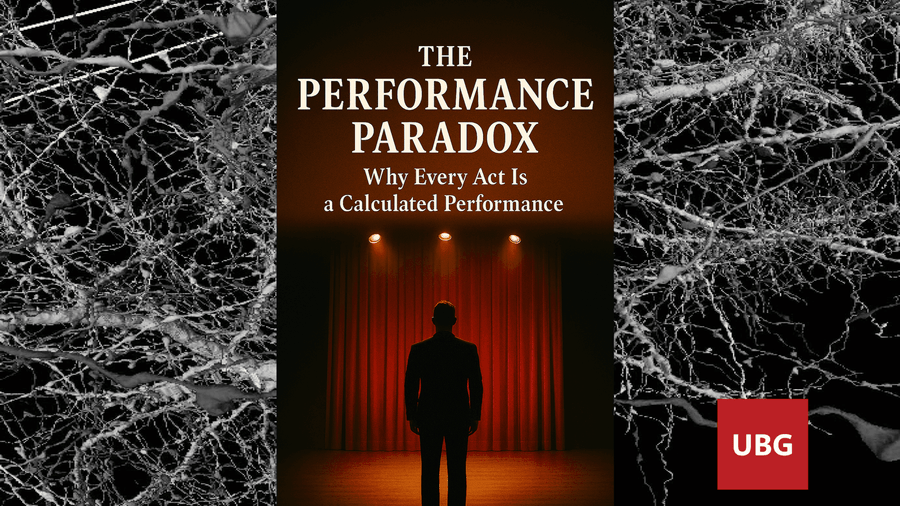
In today’s hyper-visible world—where every post, meeting, and public moment is scrutinized—individuals, leaders, and brands face a subtle but profound tension: the more we strive to appear authentic, the more our actions become deliberate performances. This is the performance paradox at the heart of modern perception engineering: genuine connection and influence often require masterful staging, yet overt calculation risks eroding trust.
The philosophical roots trace back to Erving Goffman’s dramaturgical analysis in The Presentation of Self in Everyday Life (1959). Goffman portrayed social life as theater: we perform on a “front stage” for audiences, curating words, gestures, attire, and tone to project competence, warmth, authority, or relatability. Backstage, we rehearse, adjust, and sometimes drop the mask. Crucially, the most convincing performances feel effortless—the “authentic” self is not a pre-existing essence revealed but a skillfully maintained illusion.
This insight scales powerfully in the digital age. Social media, professional platforms, and always-on media turn everyday life into a permanent front stage with global audiences and instant metrics (likes, shares, engagement). As a result, performative behavior evolves into perception engineering: strategic acts designed to shape beliefs about one’s character, values, or credibility. A CEO’s candid “day in the life” video, a politician’s viral empathy post, or a brand’s timely cause alignment—these are not spontaneous expressions but calculated signals engineered for maximum impact.
From a pragmatic standpoint, perception often becomes reality: what audiences believe drives opportunities, loyalty, sales, and influence more reliably than unpublicized competence. Game-theoretic and signaling perspectives reinforce this—visible, costly behaviors (philanthropy displays, public accountability, aesthetic curation) serve as credible proofs of traits that quiet actions cannot convey as efficiently.
Yet herein lies the paradox: audiences, now savvy to these mechanics, grow cynical. They label overt signaling “performative” in the pejorative sense—insincere virtue, manufactured vulnerability, or hollow branding. The very awareness of performance creates pressure to perform even more subtly, layering irony upon irony. True authenticity becomes the ultimate performance: seeming unperformed while being meticulously aligned.
This dynamic does not condemn us to cynicism. Instead, it invites conscious mastery. Effective perception engineering balances strategic intent with internal coherence—front-stage acts that reflect (rather than betray) back-stage values build sustainable trust. In an era where scrutiny is inevitable, the choice is not whether to perform, but how skillfully and ethically to do so.
By embracing the performative nature of social reality, we can navigate the paradox: engineer impressions without losing integrity, stage the self without surrendering substance, and turn calculated performance into a pathway for genuine connection and impact.